
Planning a road trip from Siliguri to Kalimpong? Here’s your honest, no-fluff guide to all 4 routes — NH10, Sevok Road, Pedong Road, and Reshi Road — with real distances, travel times, road conditions, and tips from people who’ve actually driven them.
Let’s be honest — the moment you decide to visit Kalimpong, half the excitement is already in the drive there. Something about leaving the flat, buzzing streets of Siliguri and slowly watching the hills take over is just deeply satisfying. The air changes. The roads start curling. And suddenly you’re somewhere that feels very far from ordinary life.
But here’s the thing most travel guides won’t tell you upfront: there isn’t just one way to get there. There are four. And each one tells a completely different story.
Whether you’re a first-timer who just wants to arrive safely, or someone who’s done the NH10 a dozen times and craves something new, this guide will help you pick the right road for the right reason.
A Quick Look Before We Dive In
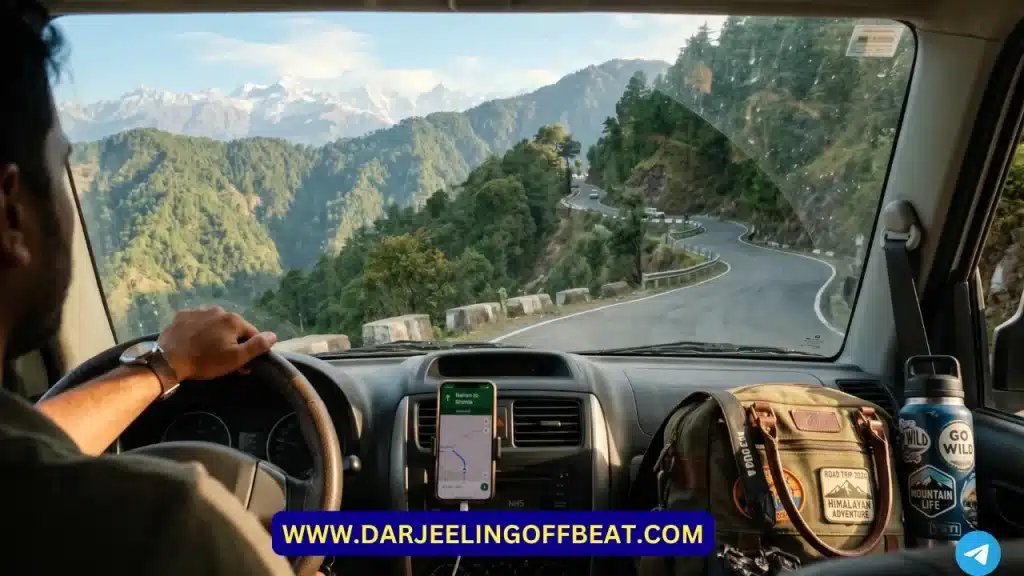
| Detail | Info |
| Total Distance | 65 km to 75 km (route dependent) |
| Travel Time | 2.5 to 4 Hours |
| Kalimpong’s Altitude | 1,250 metres above sea level |
| Number of Routes | 4 |
| Best Months to Travel | March–June and September–December |
Kalimpong sits quietly in the foothills of the Eastern Himalayas — famous for its Buddhist monasteries, flower nurseries, mountain views, and an unhurried pace of life that city people desperately need. Getting there is half the joy, if you let it be.
The 4 Routes from Siliguri to Kalimpong
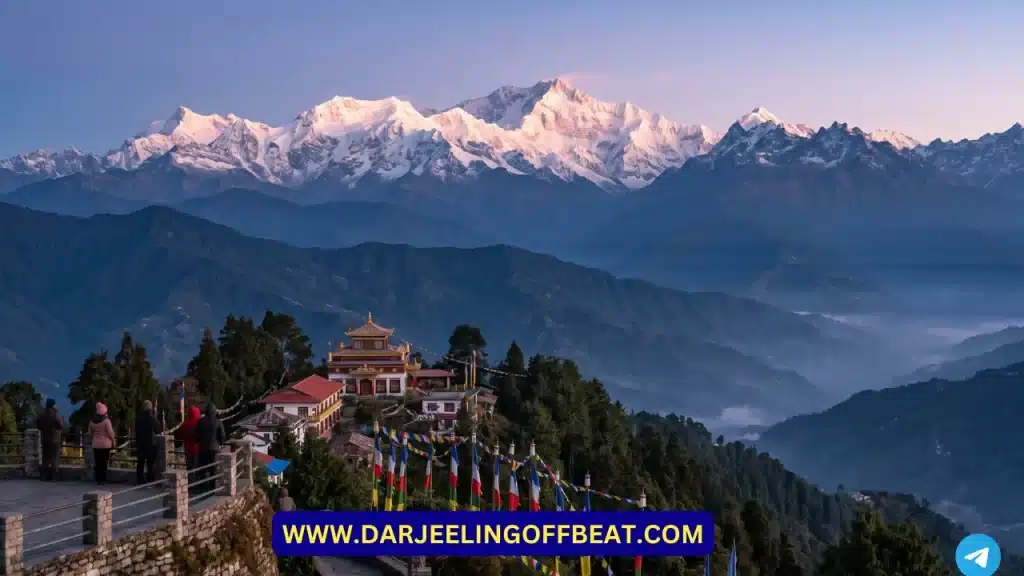
Route 1: NH10 via Sevoke and Rangpo — The One Most People Take
Siliguri → Sevoke Bridge → Rangpo → 10th Mile → Algarah → Lava Bazar → Kalimpong
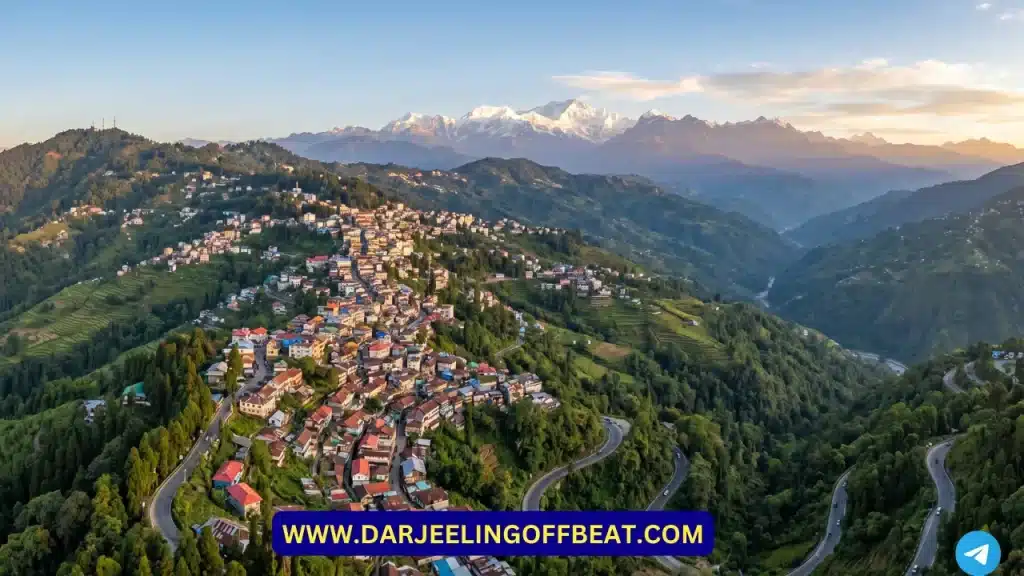
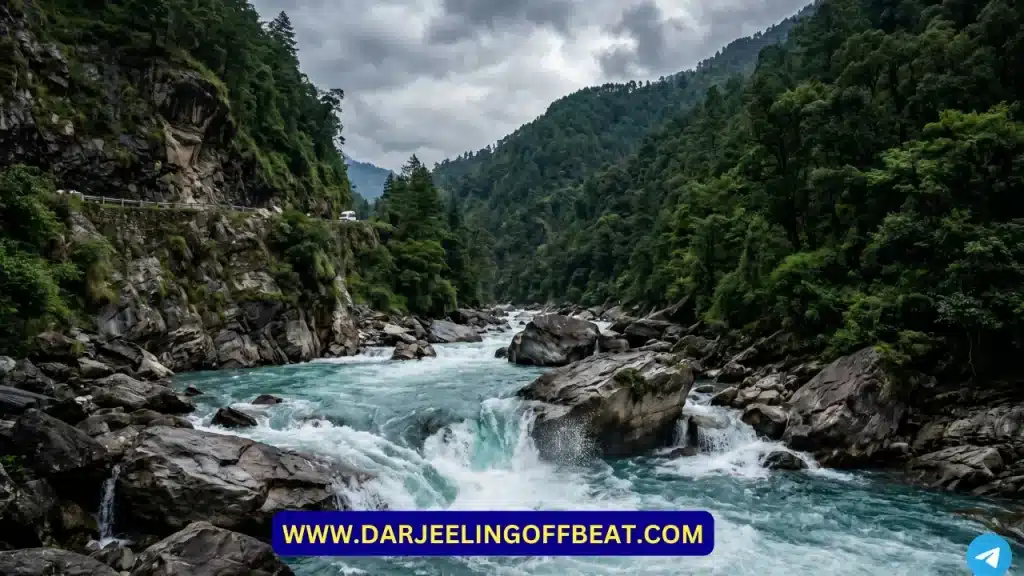
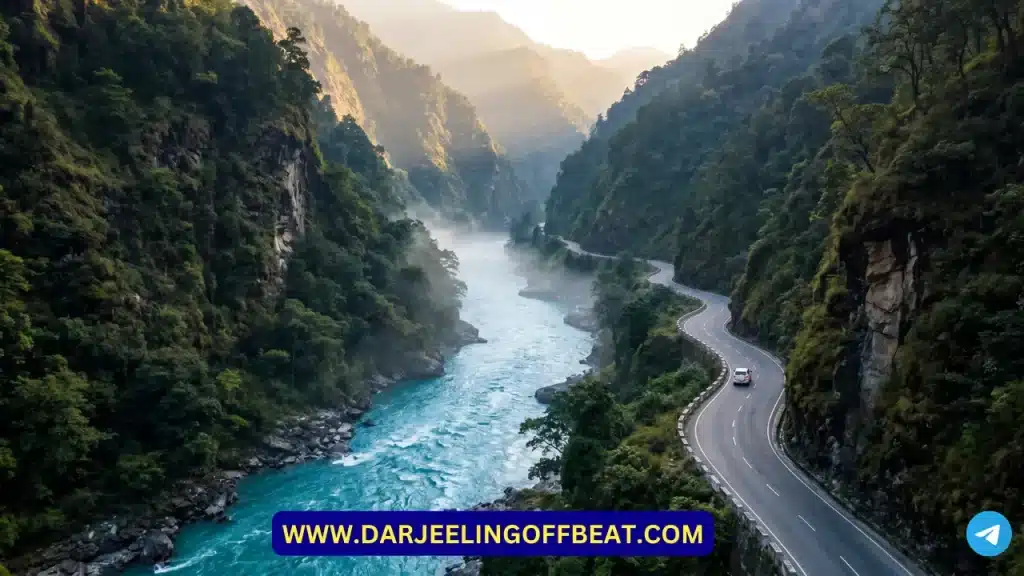
There’s a reason almost everyone defaults to this route. It’s the easiest, the most reliable, and honestly, it’s gorgeous. NH10 runs right alongside the Teesta River for a good stretch, and if you’ve never driven that road before, prepare yourself. The moment you cross the Sevoke Coronation Bridge and the hills close in around you, something in your chest loosens a little.
- Distance: ~65 km
- Travel Time: 2.5 to 3 hours
- Road Condition: Well-maintained, suitable for all vehicles
- Best For: Families, first-timers, anyone who just wants a smooth, scenic ride
You’ll pass through Rangpo, which is where West Bengal meets Sikkim — there’s a checkpoint there, so keep your ID handy if you’re continuing to Gangtok later. But for Kalimpong, you veer off well before that.
One thing to keep in mind: NH10 gets surprisingly busy on weekends and during peak season. Trucks add to the slowdown near Sevoke. Leave by 7 AM if you can — early mornings on this road are genuinely magical, and you’ll thank yourself for it.
Route 2: Sevok Road — For When You Want the View Without the Traffic
Siliguri → Sevok Road → Upper Sevok → 10th Mile → Kalimpong
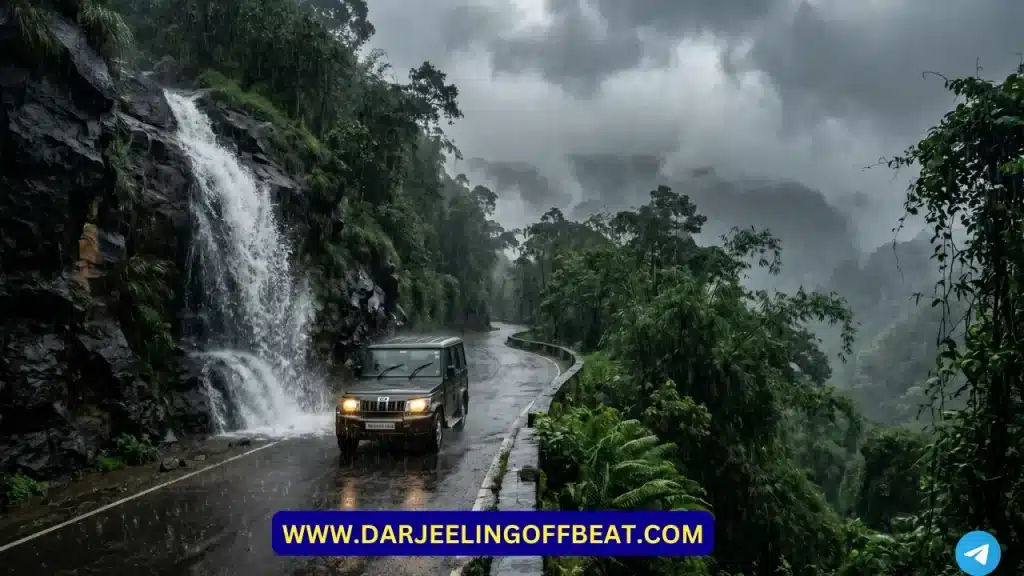
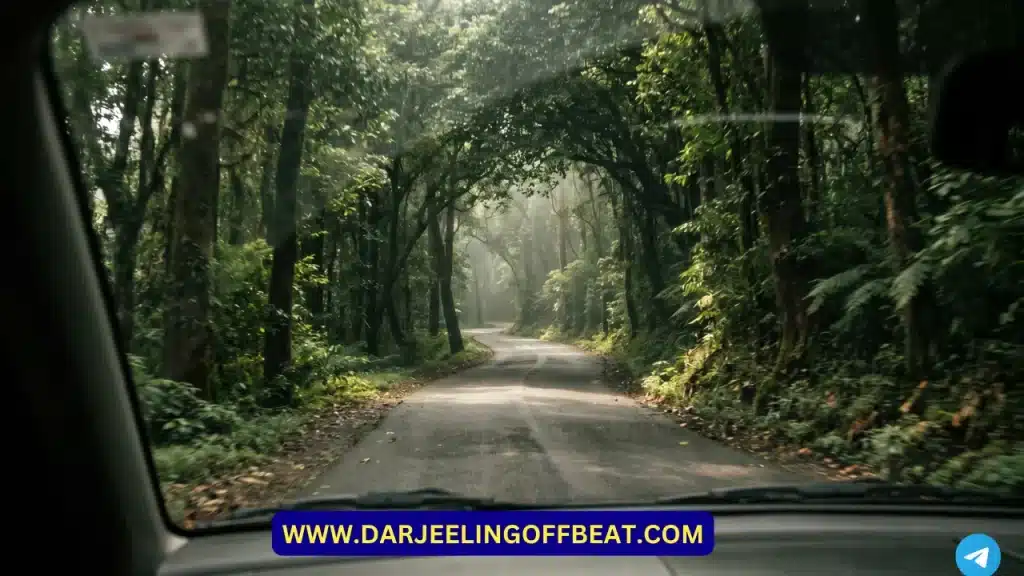
Think of this as NH10’s quieter, more introverted sibling. It’s slightly longer and narrows in places, but the payoff is real — fewer trucks, less honking, more forest, more stillness. The kind of road where you might actually want to roll the windows down.
- Distance: ~70 km
- Travel Time: 3 to 3.5 hours
- Road Condition: Mostly good, narrow in sections
- Best For: Photographers, people who hate traffic, repeat travellers looking for something fresh
It eventually merges back with the main route near 10th Mile, so you’re not going anywhere unfamiliar — just taking the more scenic side door to get there.
Route 3: Pedong Road — The Hidden Chapter
Siliguri → Salugara → Pedong → Damsang → Kalimpong
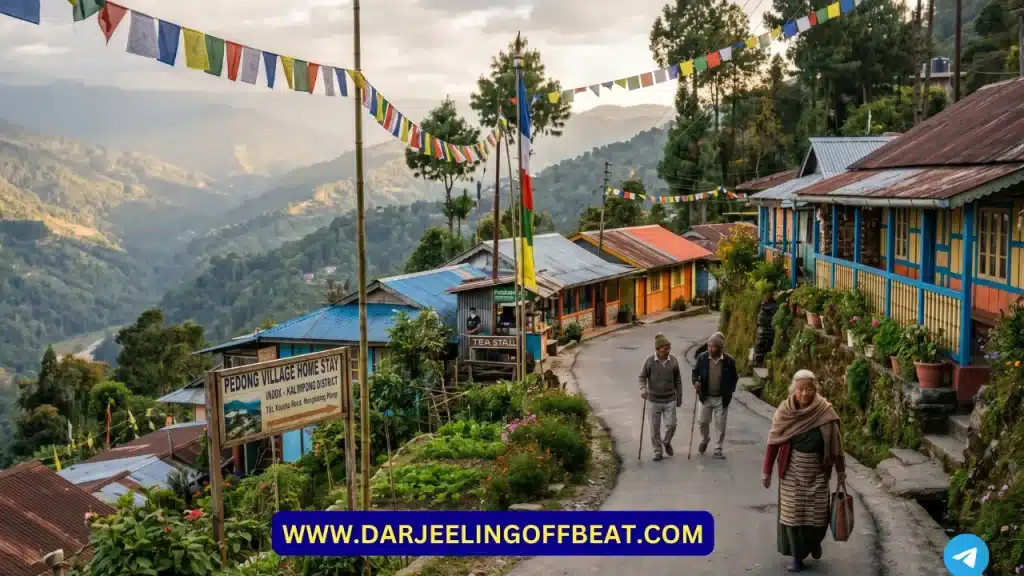
This one doesn’t come up in casual conversation, which is exactly why it’s worth knowing about. Pedong is a small hill town with a quiet charm and a surprisingly rich history — it was once a significant stop on the old Silk Route trading path between India and Tibet. Walking (or driving) through it feels like finding a page someone forgot to include in the guidebook.
- Distance: ~75 km
- Travel Time: 3.5 to 4 hours
- Road Condition: Narrow and hilly — motorable but demands your full attention
- Best For: Offbeat travellers, vloggers, anyone wanting an experience rather than just a destination
Fair warning, though — this is not a road for nervous drivers or wide vehicles. If you’re in a compact hatchback and you’re comfortable on hills, go for it. If you’re in a big SUV or haven’t driven mountain roads much, maybe save this one for next time.
Route 4: Reshi Road — The Local’s Secret
Siliguri → Reshi → Relli Bazar → 10th Mile → Kalimpong
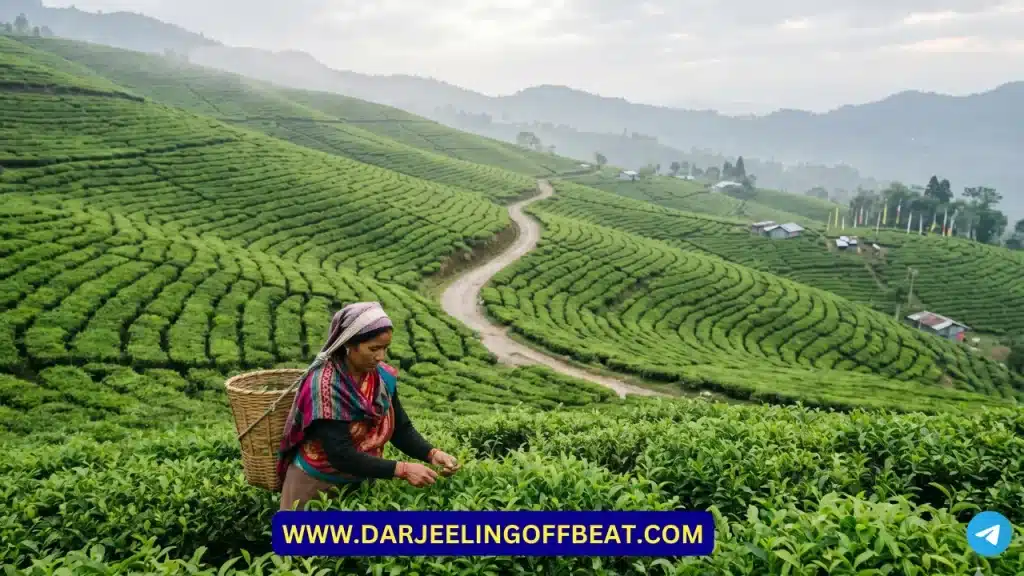
If you want to feel like you actually belong somewhere rather than just passing through, this route does that. It winds through tea gardens and tiny villages where locals give you curious glances because — well, tourists don’t usually come this way. And that’s precisely the charm of it.
- Distance: ~68 km
- Travel Time: 3 to 3.5 hours
- Road Condition: Village roads, narrow stretches, occasional rough patches
- Best For: Local experience hunters, photographers, people who treat the journey as the destination
Reshi is quietly known for its hot springs, and Relli Bazar has this lived-in, unhurried energy. Nothing flashy. Just real. The route eventually connects back to 10th Mile, so you’re not going off into the unknown — just choosing a more human way to arrive.
Don’t Rush Past These on the Way
Regardless of which road you pick, keep your eyes open. Some of the best moments of this journey are the ones you didn’t plan for.
Sevoke Coronation Bridge is worth slowing down for — it’s one of those heritage structures that genuinely earns its reputation. Spanning the Teesta with views in every direction, it marks the point where the plains say goodbye.
The Teesta River itself runs alongside you on NH10 for kilometres. That particular shade of blue-green the river turns on sunny days is something you don’t forget easily.
Waterfalls pop up all along the hillsides, especially in and just after the monsoon. Dozens of them, small and temporary, cutting through the green like silver threads.
Tea gardens and villages in the lower stretches remind you that this isn’t just scenery — people actually live and work here. It’s grounded in the best way.
When to Go — And When to Think Twice
March to June is the sweet spot. The hills are green, the sky is clear, and in March and April the rhododendrons are in full bloom. If you’ve never seen a hillside lit up in red and pink, this is your chance.
July and August are a different story. Monsoon brings landslides, blocked roads, and long waits — sometimes hours. NH10 is particularly vulnerable. If you must travel, check road conditions obsessively before you leave and carry essentials in the car.
September to December is another beautiful window. The rains are gone, the air is clean, and on a clear morning from Kalimpong, you might just see Kanchenjunga rising white and enormous against the sky. Worth every kilometre.
January and February — roads are fine, but it gets cold fast. Wrap up, check fog alerts, and enjoy the misty winter quiet if that’s your thing.
Before You Leave: A Few Things That Actually Matter

Start early. Seriously. 6:30 to 7:00 AM is ideal. The light is beautiful, traffic is thin, and you’ll feel significantly better arriving mid-morning than crawling up the hill in afternoon heat.
Fill up in Siliguri. Don’t assume there’ll be a good petrol station at the right moment. There won’t always be.
Carry cash. NH10 has toll plazas. ATMs thin out as you go higher. Keep enough for tolls, snacks, and a chai stop or two.
Motion sickness medicine. If someone in the car is even slightly prone to it — pack it. The roads are winding, the inclines are steep, and there’s no flat stretch to recover on.
Horn etiquette. On blind mountain curves, a short horn honk isn’t rude — it’s necessary. You’re letting oncoming traffic know you’re there. It’s just how hill driving works.
Give way to uphill traffic. Always. It’s harder for them to restart on a slope. This is mountain road common sense, and locals will appreciate you for knowing it.
So Which Route Is Actually Right for You?
Here’s the honest breakdown:
Going for the first time, or travelling with kids or older family members? NH10 — no question. Safe, fast, well-maintained, and still absolutely beautiful.
Want something scenic with fewer trucks and more breathing room? Sevok Road. Take your time. Stop when something looks good.
Craving an experience that feels genuinely different? Pedong Route. Just go with an experienced hill driver and leave the schedule loose.
Want to travel the way locals do, through places most tourists drive right past? Reshi Road. It’ll give you stories.
The drive from Siliguri to Kalimpong isn’t just a commute. It’s a transition — from the noise of the city to something quieter and older and genuinely beautiful. Whether you take the busy NH10 with its river views, the quieter Sevok Road, the historic Pedong stretch, or the local-flavoured Reshi route, you’re going to arrive somewhere worth being.
Just start early, go easy on the accelerator around blind corners, and let yourself enjoy the in-between. That’s where most of the good stuff actually happens.
Happy travels. 🏔️🚗
FAQ
Q.1:How far is Siliguri from Kalimpong by road?
Ans: Roughly 65 km via NH10 and up to 75 km via Pedong. Add a few more if you take detours or stop along the way — which you should.
Q.2:How long does the drive take?
Ans: On a good day via NH10, you’re looking at 2.5 to 3 hours. The Pedong route stretches to 3.5–4 hours. Budget 3 hours as your working estimate.
Q.3: Which is the best route?
Ans: For most people, NH10 wins on every practical count. But “best” is personal — if you’re chasing scenery over speed, the Sevok or Pedong routes have a strong case.
Q.4: Are the roads safe during the monsoon?
Ans: They can be, but they require extra caution. Landslides are a real risk on all four routes. Always verify road status before you start — a quick call to your hotel in Kalimpong usually gives you the freshest information.
Q.5: Can a hatchback handle these roads?
Ans: Comfortably on NH10 and Sevok Road. On Pedong and Reshi, a hatchback is fine if your driver knows hill roads. These are not 4WD-required routes, but they do respect experience behind the wheel.
Q.6: Is there a toll?
Ans: Yes, on NH10. Keep some cash. It’s not expensive, but going cashless at a toll booth in the hills is an avoidable inconvenience.
Q.7: What’s the best time of year to go?
Ans: March to June, and September to December. Both are wonderful for different reasons. Avoid July and August unless you’re very flexible with time and plans.
Q.8: Are there petrol pumps on the way?
Ans: A few, near Sevoke and Rangpo on NH10. Top up fully in Siliguri before you leave. Don’t rely on finding one at the right moment.
Q.9: Can I hire a cab from Siliguri?
Ans: Absolutely. Shared taxis run from the NJP Station and the Tenzing Norgay Bus Terminus. Private cabs typically run between ₹1,500 and ₹2,500, depending on the vehicle and time of year.
Q.10: Is there a bus to Kalimpong from Siliguri?
Ans: Yes — NBSTC and private operators both run services. That said, for flexibility and comfort, especially if you’re travelling with luggage or family, a private cab or self-drive makes the journey considerably more enjoyable.








North Bengal's offbeat magic is my muse. I find adventure in whispering waterfalls, vibrant village life, and breathtaking Himalayan vistas. Join me as I delve deeper, seeking stories and experiences beyond the mainstream, from Darjeeling's tea havens to the unexplored corners of this incredible region