
Mahananda Wildlife Sanctuary, located in Darjeeling, West Bengal, is a favourite destination for wildlife and nature lovers. Spread over 160 square km, the sanctuary is home to many endangered animals and plants.
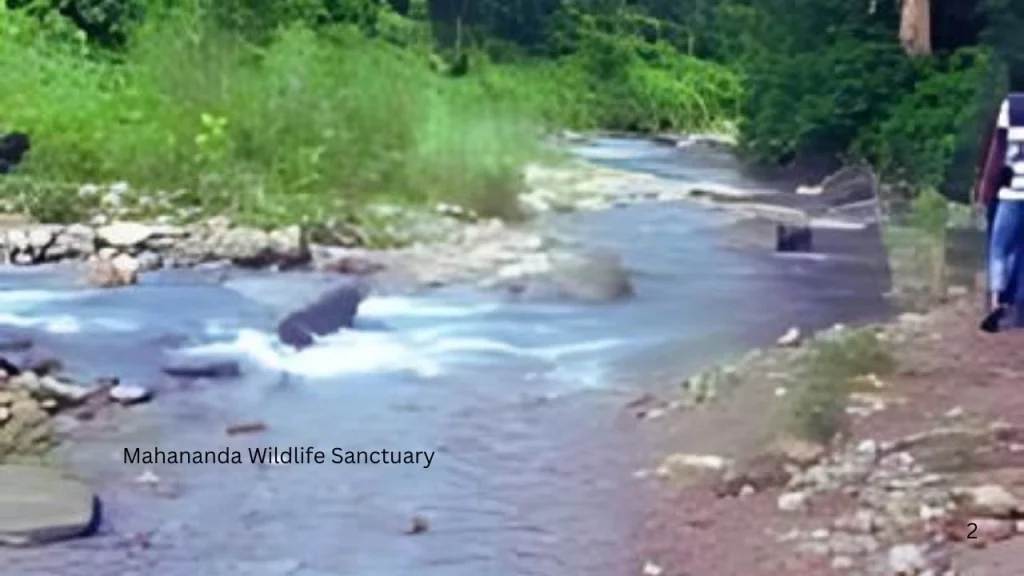
Some of the animals and plants of Mahananda Wildlife Sanctuary
Mahananda Wildlife Sanctuary has trees like Shal, Teak, Bamboo, various types of Orchids and medicinal plants. There are animals like Asian elephants, Indian bison, leopards, deer, barking deer, wild boar, bear etc. Also, more than 250 bird species can be seen in this sanctuary. Also, many endangered birds and migratory birds can be seen here
Sanctuary tour
Nature lovers and those who love adventure can visit this sanctuary. Trekking through the forest will be a great experience. Nearby waterfalls and nearby are Suntalekhola and Mongpu. These places are one of the tourist centres. Mahananda Wildlife Sanctuary has a temple on the Deurali hill. From here you can see the tea gardens and the snow-capped peaks of the Himalayas. This sanctuary is an ideal place for jungle safari and bird watching. Jeep safaris are conducted through this forest
Mahananda Wildlife Sanctuary Time Schedule
The gate opens at 6 am to enter this sanctuary. The gate closes at 5 pm. The chances of seeing wildlife are highest in the early morning and evening hours, so if you try to do the first jeep safari, it will be very crowded.
If you do a jeep safari in this sanctuary, you will have the highest chance of seeing animals like barking deer, leopards, bison, peacocks, etc. Also, more than 250 species of birds can be seen here, some of which are endangered. The ideal time for bird watching is early morning.
Some important things
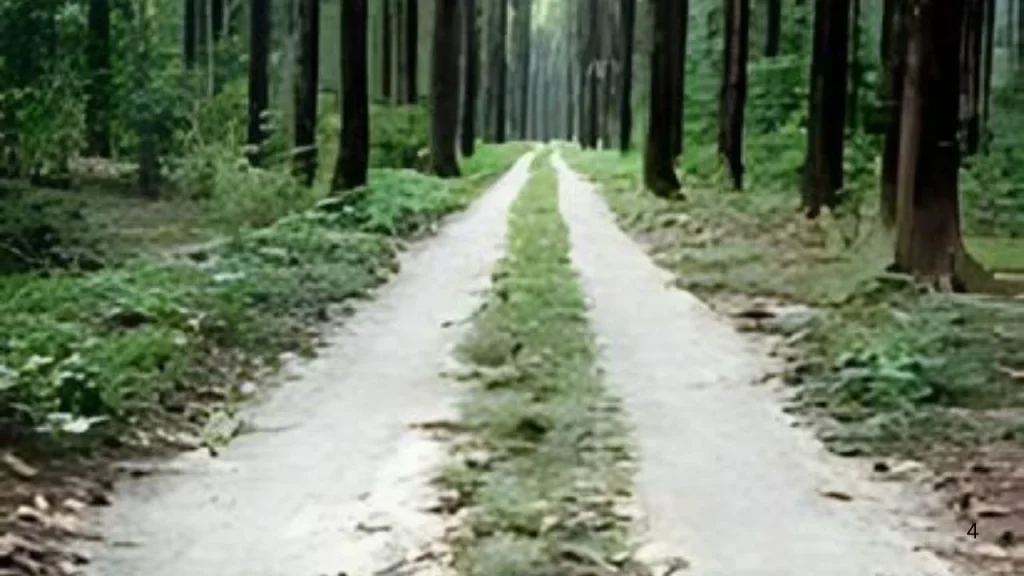
- The sanctuary trip should be planned in such a way that one can enter the forest early in the morning and evening.
- All rules should be followed and one should stay away from wild animals.
- It is better to try not to feed any outside food to the animals
- It is also better not to enter the forest with plastic items like plastic bottles, carry packets, etc.
- Adequate water, some food and insect repellent should be carried.
- The experience will be better if you carry binoculars and a camera.
Where to stay in Mahananda Wildlife Sanctuary
Many homestays and hotels around this sanctuary are located in the Darjeeling district. Several homestays are very close to nature. The experience you will have while staying at a homestay here is, in a word, impeccable.
Activities in Homestays
Spending time in nature: You can spend a few days in nature at this homestay. The hustle and bustle of city life is not here, instead, there is the sound of birds and wild animals all day long. The sanctuary’s natural beauty inspires your body and mind with new energy.
Hospitality of the homestays: Like other hill homestays, you will also get very good treatment and hospitality in the homestays here. You can meet the local people explore their lifestyle and get involved in their daily lives.
Seeing and being close to wildlife

The homestay owner will help you see and get up close to wildlife. You will also find some pet elephants that are used for elephant safaris.
Mahananda Wildlife Safari Booking
Here, you have to book a car in advance at the gate where the safari starts. You can also go on foot and trekking. Of course, an experienced guide is required for this. Otherwise, there may be a possibility of danger. Those who love to travel and take pictures in harmony with nature should choose the second route.
- Kashyem Kaman Kalimpong Teesta Rangpo Confluence View 2026: The Cedar Ridge
 Kashyem Kaman Kalimpong Teesta Rangpo confluence view — Teesta-Rangpo confluence below and Kanchenjunga above — plus Cinchona heritage trails and cedar forest homestays at ₹1,250/day. There is a specific kind of view that requires exactly the right elevation — too high and the cloud covers everything, too low and the angle is wrong. Kashyem Kaman …
 - Kalijhora Homestay & Teesta Travel Guide: How a Picnic Spot Turned Into North Bengal’s Quietest Adventure HubKalijhora homestay guide: where to stay near the Teesta, rafting routes & prices, Panboo ridge views, and everything to plan your North Bengal trip If you’ve driven up NH10 from Siliguri toward Kalimpong or Darjeeling, you’ve passed through Kalijhora without necessarily noticing it. That’s kind of the point. It sits about 28 kilometres north of …
- Goiri Gaon, Kalimpong: The Village the Forest Kept Secret — Now With the Full StoryGoiri Gaon Kalimpong Neora Valley offbeat — red panda corridor, Maria Busty 1891 church, Pedong Silk Route ruins, and homestay-only model. Complete offbeat guide inside. There are places in the Eastern Himalayas that exist in a kind of geographical grace — tucked far enough from the main roads that the noise of modern hill tourism …
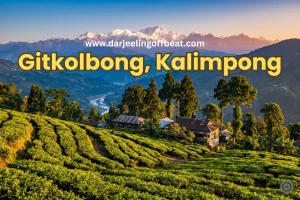
- Gitkolbong Village Kalimpong: The Village That Climbs From River to RidgeGitkolbong village Kalimpong near Lava, with tea plantations, the Gitkhola river, and a ridge trail to Gitkolbong Top with Kanchenjunga views. Complete offbeat travel guide inside. Some places reveal themselves slowly. You arrive, and the first impression is modest — a quiet mountain village, some terraced farmland, a stream you can hear before you see …
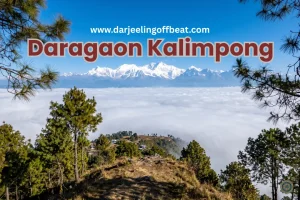
- Daragaon Kalimpong Kanchenjunga View Where the Clouds Stay Below YouDaragaon Kalimpong Kanchenjunga view— offers a rare sea-of-clouds sunrise view with the world’s third-highest peak floating above the Teesta valley. Complete travel guide inside. There’s a moment that happens at Daragaon — usually around six in the morning, usually in October or November — that people struggle to describe accurately afterwards. You’re standing at the …
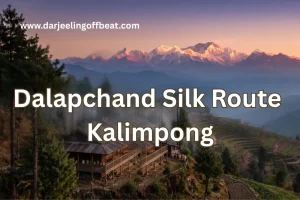
- Dalapchand Silk Route Kalimpong: Where West Bengal Meets SikkimSome destinations, like Dalapchand Silk Route Kalimpong, exist because someone put them on a map, and others exist because the landscape demanded them. Dalapchand is the second kind. Sitting right on the border zone between Kalimpong district in West Bengal and Pakyong district in East Sikkim, this quiet mountain hamlet occupies a genuinely rare position. …




North Bengal's offbeat magic is my muse. I find adventure in whispering waterfalls, vibrant village life, and breathtaking Himalayan vistas. Join me as I delve deeper, seeking stories and experiences beyond the mainstream, from Darjeeling's tea havens to the unexplored corners of this incredible region