
Some places earn their reputation through grandeur — towering peaks, famous monasteries, names that appear on every travel list. And then there are places like Bidyang Kalimpong, which earn theirs more quietly. The sound of a river running over stones. The smell of cardamom on a warm afternoon. A valley so tucked away from the usual hill station circuit that finding it feels genuinely accidental, even when you planned to come.
Bidyang — sometimes spelt Bidyang Kalimpong — is a small riverside hamlet in the Kalimpong district of West Bengal, and it sits at an elevation where the mountains have already done their dramatic work and settled into something more like contentment. At 3,000 feet above sea level, this is not a place of sharp alpine edges and freezing pre-dawn viewpoints. It’s warmer, greener, and slower than that. The Relli River runs right through it, and once you’ve spent a morning sitting on its banks watching the water move, you’ll understand why people come here specifically to do nothing much at all.
Finding Bidyang Kalimpong — Where It Is and How to Get There
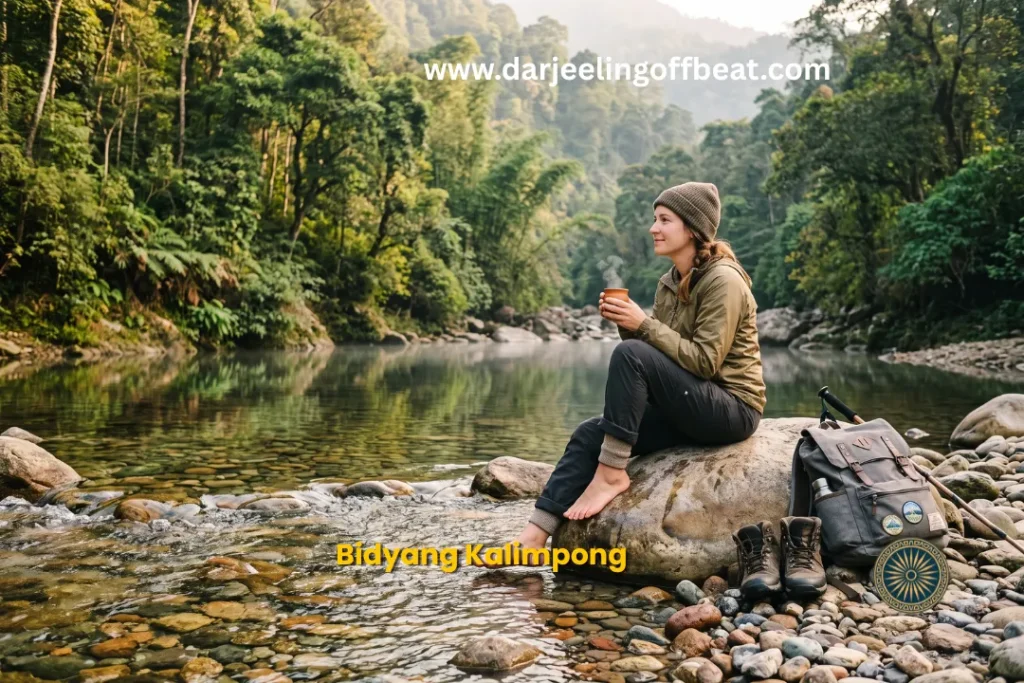
Bidyang Kalimpong lies roughly 15 to 18 kilometres from Kalimpong’s central market, depending on your exact destination within the valley — the hamlet stretches along the Relli River rather than clustering tightly, so distances vary. From Kalimpong town, the road descends through forested hillside before dropping into the lower valley, and the drive itself is the kind that makes you realise how dramatically the landscape shifts within just a few hundred metres of altitude change.
From New Jalpaiguri (NJP): Approximately 75–80 kilometres. NJP is the main railhead for this region and well connected to most major Indian cities.
From Bagdogra Airport: Around 75–80 kilometres as well, making Bidyang equally accessible from both entry points.
From Siliguri: Roughly 65–70 kilometres via the hill roads.
The road into the Relli Valley is narrow in places and genuinely scenic throughout. If you’re prone to carsickness, sit upfront. If you’re not, sit anywhere and watch the valley open up as you descend.
The Landscape — What Makes This Valley Different
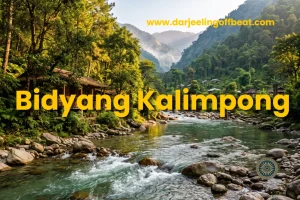
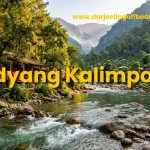
The Relli River is the defining feature of Bidyang Kalimpong, and it shapes everything about the experience here. The valley floor expands to roughly 50 metres along the riverbed — wide enough to feel open and airy, narrow enough to feel enclosed and private. On both sides, steep mountain slopes rise sharply, covered in dense pine, oak, and subtropical evergreen forest that creates a living wall of green in every direction.
What’s immediately noticeable about Bidyang Kalimpong, especially if you’ve come from higher up in the Kalimpong hills, is the warmth. At 3,000 feet, the elevation is low enough to escape the harsh high-altitude winds that define places like Lava or Rishop. Temperatures here stay genuinely pleasant — between 15°C and 27°C in summer, and 5°C to 16°C in winter. That range means Bidyang works as a destination across most of the year, not just in two narrow seasonal windows.
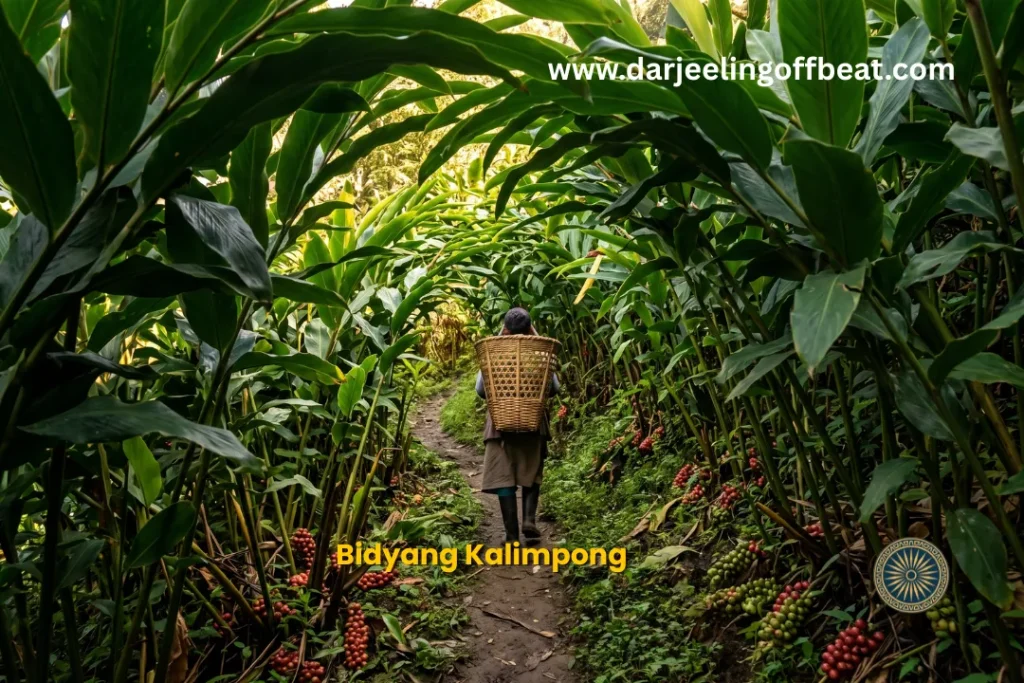
The valley agriculture tells you a lot about this microclimate. Terraced rice paddies step down toward the river. Cardamom plantations fill the forest understorey with their distinctive fragrance — if you visit between August and October, the harvest period, the air carries it constantly. Orange orchards dot the higher terraces. This is a working agricultural valley, not a curated tourist landscape, and that’s precisely what makes it feel real.
The communities here — primarily Lepcha, Nepali, and Bhutia — live in dispersed rural hamlets rather than a concentrated village core. There are no commercial centres, no markets to browse, no traffic to navigate. The absence of all that is not incidentally peaceful — it’s structurally peaceful, built into the geography and economy of the place.
The Relli River — The Real Reason to Come
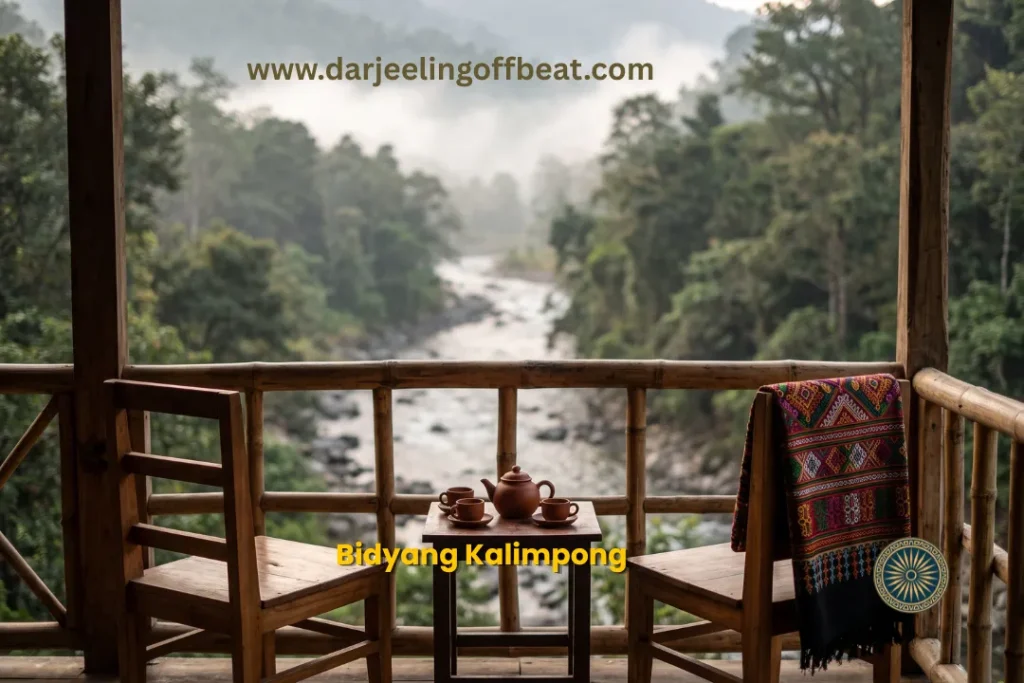
Let’s be direct about this: the Relli River is the star of Bidyang, and everything else is supporting cast.
The river runs clear and cold from its higher mountain origins, passing through the valley before eventually merging with the Teesta. Along its banks in Bidyang, the river takes on different characters at different points — sometimes fast and loud over boulders, sometimes slow and smooth over sandy stretches where you can wade in up to your knees without risk.
River fishing is possible here, and local homestay hosts can connect you with experienced local fishermen who know the best spots and seasonal patterns. For those who want something more active, the upper stretches of the Relli offer white-water experiences, and the Teesta confluence area — reachable within the broader valley circuit — adds rafting to the activity list.
But honestly, the most popular river activity at Bidyang involves no equipment and no planning. You sit down near the water. You stay there longer than you intended. This is not a place that demands your time be structured.
Where to Stay — Homestays, Villas, and Eco-Lodges
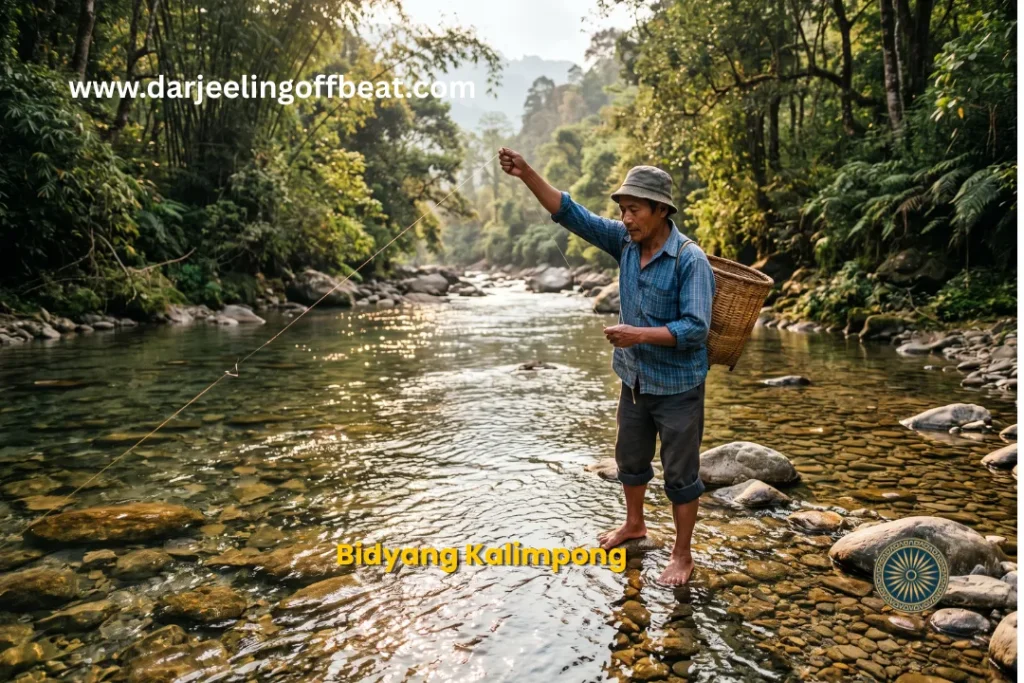
Bidyang’s accommodation landscape has evolved thoughtfully without losing its character. You won’t find chain hotels or resort complexes here — the properties are community-operated homestays, private country villas, and small eco-lodges, most of them built from timber and bamboo specifically to blend into the forest landscape rather than stand apart from it.
American Plan (Full Board) Homestays
The most common and in many ways the most satisfying option. You pay per person per night — typically ₹1,300 to ₹1,650 plus applicable taxes — and that covers your room, breakfast, lunch, evening tea with snacks, and dinner. Everything included, nothing to think about. The food is home-cooked from local ingredients: rice, dal, fresh vegetables from the terraced farms, seasonal produce from the orchards. Simple, but genuinely good.
This model works especially well for solo travellers and couples who want the immersive local experience without logistical complexity. Your host family becomes your informal guide, cook, and local expert all at once.
European / Continental Plan (Room-Based) Lodges
Larger properties and dedicated eco-lodges operate on a room or cottage basis, pricing per unit rather than per person. Standard double-occupancy cottages start around ₹2,000 per night, with family units accommodating multiple guests running up to ₹3,500 per night. Meals may be billed separately, or breakfast included depending on the property.
This model suits families or groups who want more spatial independence and prefer to manage their own meal schedule. The cottage-style properties here tend to have river-facing verandas or sit close enough to the water that you can hear it from your bed.
What to Expect Generally
Rooms are clean and functional rather than luxurious. Hot water is typically available — confirm this when booking, particularly in winter. Mobile connectivity ranges from limited to nonexistent in parts of the valley, which is either a problem or a feature depending on your relationship with your phone. WiFi is available at some properties but should not be relied upon for work-critical travel.
Pack a torch. Evenings in Bidyang get genuinely dark in the best possible way.
READ MORE: Bhalukhop Kalimpong: The Quiet Mountain That Wakes Up in Gold
When to Visit Bidyang Kalimpong
Unlike higher-altitude destinations in the Kalimpong hills, Bidyang’s lower elevation means it functions across a longer travel season. That said, each season brings its own character.
October to February — Cool and Clear
The post-monsoon and winter months bring the clearest skies and the sharpest mountain views on those days when the higher ridges are visible from the valley. Temperatures are comfortable during the day and properly cold at night in December and January. The river runs lower and clearer during this period, making it ideal for bank-side relaxing and fishing.
March to May — Warm and Green
Spring is when the valley is at its most photogenic. The forest is lush, the cardamom plants are in leaf, and the orange trees may be flowering. Temperatures are warm enough during the day that river wading becomes genuinely tempting. A lovely time for longer forest walks.
June to September — Monsoon
The monsoon brings heavy rainfall, swollen rivers, and a landscape of extraordinary green intensity. Road conditions can be difficult, and river activities become dangerous due to water levels. That said, if you can get here safely and your property is reliable, the forest in monsoon is something to witness. Travel with caution and check road conditions in advance.
Things to Do in and Around Bidyang Kalimpong
Riverside walks along the Relli are the default activity and the best one. The riverbank trails are informal — ask your host to point you toward the better stretches.
Forest trekking into the slopes above the valley brings you through dense pine and oak woodland. Day hikes toward the higher ridges connect Bidyang to the broader Kalimpong hills trail network.
Cardamom plantation walks during harvest season (August–October) are a genuine agricultural experience — fragrant, hands-on, and a world away from anything most visitors to the hills have done before.
Fishing in the Relli, coordinated through your homestay host.
Birdwatching — the dense forest cover and riverine habitat make Bidyang excellent territory for birding. The subtropical-to-temperate transition zone means a wide species range across a short altitude gradient.
Day excursions to Kalimpong town, the Durpin Monastery, or the higher ridge villages like Bhalukhop and Barmek provide contrast without needing to pack and move.
Who Is Bidyang Kalimpong For?
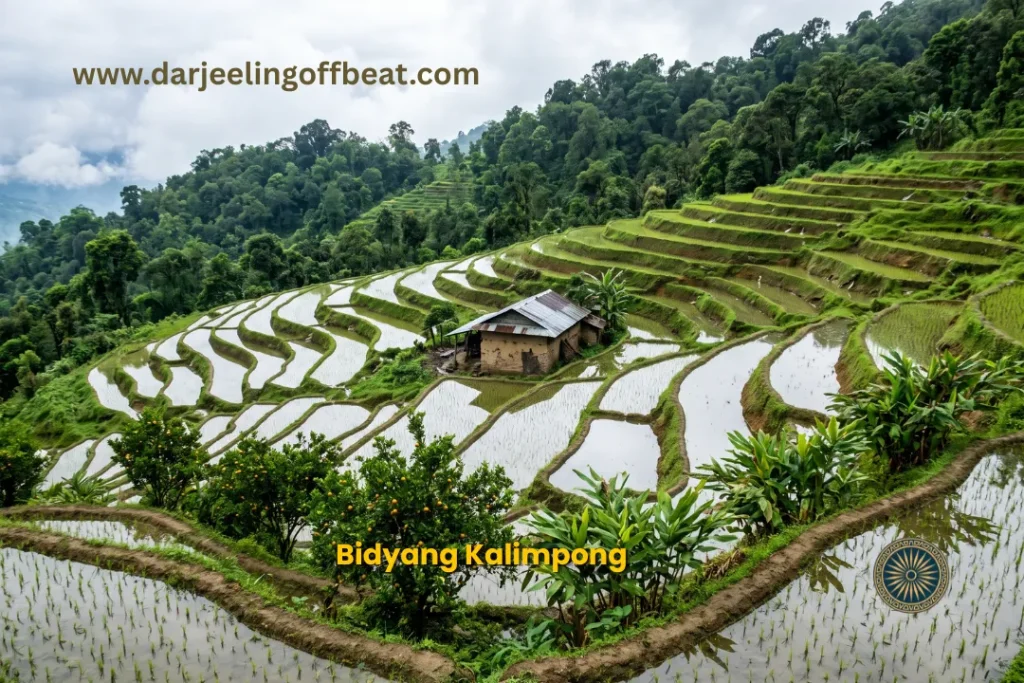
Honestly, Bidyang is for anyone who’s arrived at a hill station and found it louder and more crowded than expected, and thought: there must be somewhere quieter than this.
There is. It’s here.
It’s particularly good for couples who want a proper slow holiday without an agenda. For families with children who need outdoor space and a river to throw stones into. For solo travellers who want to disappear for a few days without actually going anywhere difficult to reach. And for anyone who has spent too long looking at screens and needs a valley with patchy signal to remember what it felt like before all that.
The Relli River doesn’t care about your deadlines. Bidyang, by design, doesn’t either.
Elevation: ~3,000 feet
Distance from Kalimpong: 15–18 km | From NJP/Bagdogra: ~75–80 km
Best seasons: October–May (year-round possible)
Stay options: Homestays ₹1,300–₹1,650/person/night (full board) | Cottages ₹2,000–₹3,500/unit/night
River: Relli River (merges with Teesta)
Don’t miss: Cardamom plantation walk, riverside mornings, forest trail toward upper valley
Here we covered Bidyang Kalimpong, Bidhyang village Kalimpong, Relli river Kalimpong, offbeat places near Kalimpong, Bidyang homestay, Bidyang riverside retreat, Kalimpong riverside village, Relli valley Kalimpong, offbeat North Bengal tourism, Kalimpong ecotourism,
cardamom plantation Kalimpong, offbeat Himalayan villages West Bengal, places to visit near Kalimpong, Kalimpong travel guide, digital detox Kalimpong, nature retreat Kalimpong, West Bengal hill station offbeat, Bidyang river camp, Relli river fishing Kalimpong, Kalimpong district tourism
- Kashyem Kaman Kalimpong Teesta Rangpo Confluence View 2026: The Cedar Ridge
 Kashyem Kaman Kalimpong Teesta Rangpo confluence view — Teesta-Rangpo confluence below and Kanchenjunga above — plus Cinchona heritage trails and cedar forest homestays at ₹1,250/day. There is a specific kind of view that requires exactly the right elevation — too high and the cloud covers everything, too low and the angle is wrong. Kashyem Kaman …
 - Kalijhora Homestay & Teesta Travel Guide: How a Picnic Spot Turned Into North Bengal’s Quietest Adventure HubKalijhora homestay guide: where to stay near the Teesta, rafting routes & prices, Panboo ridge views, and everything to plan your North Bengal trip If you’ve driven up NH10 from Siliguri toward Kalimpong or Darjeeling, you’ve passed through Kalijhora without necessarily noticing it. That’s kind of the point. It sits about 28 kilometres north of …
- Goiri Gaon, Kalimpong: The Village the Forest Kept Secret — Now With the Full StoryGoiri Gaon Kalimpong Neora Valley offbeat — red panda corridor, Maria Busty 1891 church, Pedong Silk Route ruins, and homestay-only model. Complete offbeat guide inside. There are places in the Eastern Himalayas that exist in a kind of geographical grace — tucked far enough from the main roads that the noise of modern hill tourism …
- Gitkolbong Village Kalimpong: The Village That Climbs From River to RidgeGitkolbong village Kalimpong near Lava, with tea plantations, the Gitkhola river, and a ridge trail to Gitkolbong Top with Kanchenjunga views. Complete offbeat travel guide inside. Some places reveal themselves slowly. You arrive, and the first impression is modest — a quiet mountain village, some terraced farmland, a stream you can hear before you see …
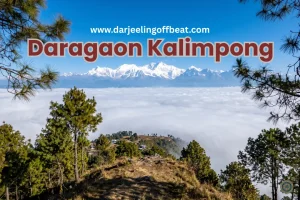
- Daragaon Kalimpong Kanchenjunga View Where the Clouds Stay Below YouDaragaon Kalimpong Kanchenjunga view— offers a rare sea-of-clouds sunrise view with the world’s third-highest peak floating above the Teesta valley. Complete travel guide inside. There’s a moment that happens at Daragaon — usually around six in the morning, usually in October or November — that people struggle to describe accurately afterwards. You’re standing at the …
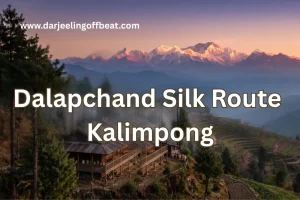
- Dalapchand Silk Route Kalimpong: Where West Bengal Meets SikkimSome destinations, like Dalapchand Silk Route Kalimpong, exist because someone put them on a map, and others exist because the landscape demanded them. Dalapchand is the second kind. Sitting right on the border zone between Kalimpong district in West Bengal and Pakyong district in East Sikkim, this quiet mountain hamlet occupies a genuinely rare position. …
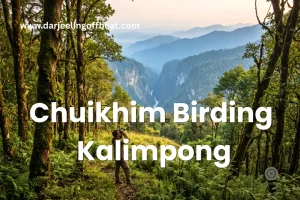
- Chuikhim birding Kalimpong: That Sits Between Two WorldsThere’s a particular kind of traveller who plans a trip around a bird. Who wakes before the alarm, walks quietly into the forest before dawn, and stands absolutely still for twenty minutes because something small and extraordinary might appear in the canopy above. If you know this feeling — or suspect you might — then …
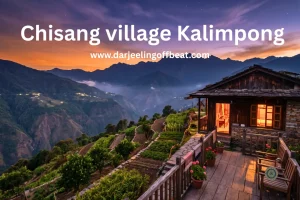
- Chisang Village Kalimpong: Where India Ends and Bhutan BeginsThere’s something quietly extraordinary about standing at the edge of a country and not at an airport or a formal border crossing, but on a hillside at dusk, looking across a valley into another nation’s lights. No fence in sight, no checkpoint, just a ridge and a silence and the slow understanding that the world …
- Bidyang Village, Kalimpong: A Riverside Escape You Didn’t Know You NeededSome places earn their reputation through grandeur — towering peaks, famous monasteries, names that appear on every travel list. And then there are places like Bidyang Kalimpong, which earn theirs more quietly. The sound of a river running over stones. The smell of cardamom on a warm afternoon. A valley so tucked away from the …




North Bengal's offbeat magic is my muse. I find adventure in whispering waterfalls, vibrant village life, and breathtaking Himalayan vistas. Join me as I delve deeper, seeking stories and experiences beyond the mainstream, from Darjeeling's tea havens to the unexplored corners of this incredible region