
Here’s something nobody really prepares you for: Darjeeling hits differently depending on when you show up.
Go in March, and you’ll walk through hillsides exploding with rhododendrons, the air so clean it almost stings. Go in July, and you might spend two days staring at a wall of white fog from your hotel window, wondering if the mountains were ever actually there. Go in December, and the cold will get into your bones in the best possible way — wool blankets, steaming cups of first flush, and a silence so complete it feels borrowed from another century.
The point is — there is no single “best time” to visit Darjeeling. There’s only the best time for you, depending on what kind of traveller you are and what you’re actually chasing.
So let’s go through it honestly, month by month, no filler.
January — The Cold That Clears Everything
January in Darjeeling is genuinely cold. We’re talking single digits at night, sometimes dipping below zero at the higher elevations. And yet, this is one of the most underrated months to visit.
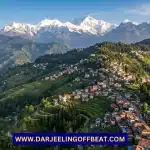
Why? Because on a clear January morning, Kanchenjunga looks almost impossibly close. The sky turns that deep, saturated blue you only get in winter, and the mountains stand so sharp against it that you’ll catch yourself just staring, forgetting to take a photo.
The town is quiet. The tourist rush is long gone. Hotels drop their prices. Locals are more relaxed. You get the real Darjeeling — the one that exists when it isn’t performing for cameras.
You’ll need proper winter clothing, though. Not Delhi-winter clothing. Actual layers, thermals, and a good jacket. The cold here means business.
Best for: Solitude seekers, mountain view chasers, budget travellers, photographers
February — Still Cold, But Something’s Waking Up
February sits in a strange, lovely in-between. The deep winter chill starts softening just slightly — not enough to call it spring, but enough that afternoon walks become genuinely enjoyable. The rhododendrons are just beginning to stir at lower altitudes. You might catch the first blooms if you’re there in the last week.
It’s still quiet, still affordable, still wonderfully uncrowded. Couples tend to love February here — there’s something inherently romantic about misty hills and warm cups of tea when it’s cold outside.
Valentine’s week sees a mild uptick in visitors, so book your hotel early if you’re travelling around that time.
Best for: Couples, early bird travellers, those who like winter without the extreme cold
March — The Month Darjeeling Wakes Up
This is where things get spectacular.
March is arguably the most beautiful month in Darjeeling, and honestly, not enough people know it. The rhododendrons — red, pink, white, magenta — start blooming across the hillsides in earnest. Magnolias follow. The entire landscape looks like someone turned the saturation up.
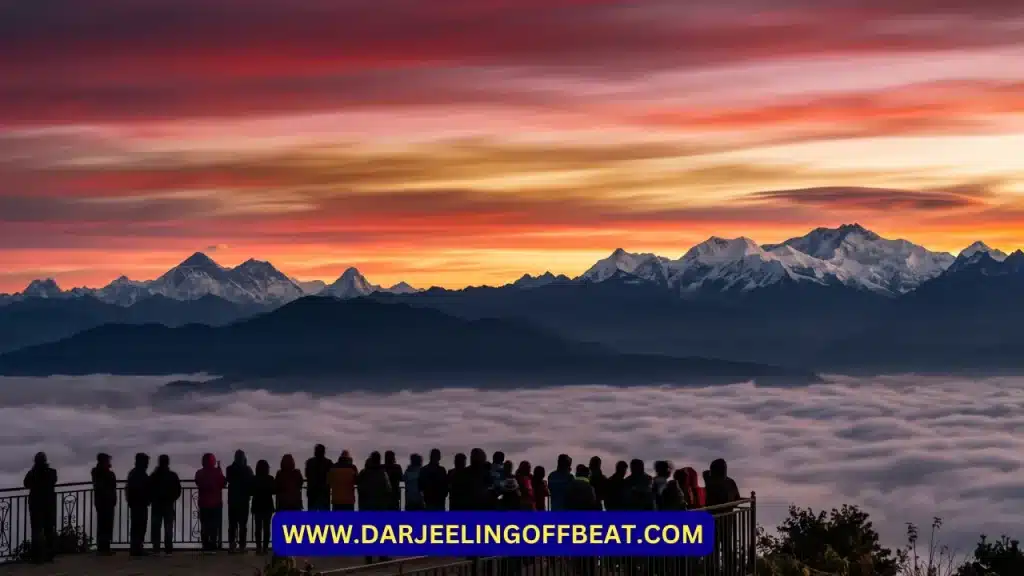
The temperature is perfect. Days are warm enough for light layers, and nights still carry that lovely crisp chill. Visibility is excellent — Kanchenjunga on a clear morning in March is the kind of view that ruins other sunrises for you permanently.
Crowds are building up, but haven’t peaked yet. It’s that sweet window where the weather is gorgeous, and the place isn’t overwhelmed. If you’ve been sitting on the fence about Darjeeling, go in March. You’ll understand immediately why people keep coming back.
Best for: First-time visitors, nature lovers, photographers, trekkers
April — Peak Season, Peak Beauty
April is Darjeeling’s busiest month, and the hills have fully earned the attention. The rhododendrons are in their absolute prime. Tea gardens are buzzing with the first flush harvest — the most prized picking of the year, carried out with almost ceremonial care. The air smells like fresh leaves and wet earth.
The flip side? It’s crowded. Hotels fill up fast, prices go up, and Tiger Hill can feel more like a viewing platform in a theme park than a mountain sunrise spot. If you’re visiting in April, book everything at least 6-8 weeks ahead and get to the viewpoints early.
But do visit. Despite the crowds, April earns every bit of its reputation. The light in the mornings is extraordinary.
Best for: Tea enthusiasts, nature lovers, first-timers who don’t mind some crowds
May — Beautiful but Act Fast
May starts wonderfully and ends a little anxiously. The first three weeks carry the same golden quality as April — warm days, clear skies, tea gardens in full harvest mode. By the last week of May, though, you can feel the pre-monsoon humidity creeping in. Afternoons can get hazy. The occasional cloud burst shows up unannounced.
If you’re visiting in May, plan your trip for the first two weeks. Avoid the last week unless you’re flexible and don’t mind some uncertainty with visibility.
Best for: Anyone who missed March and April, tea lovers, trekkers (go early in the month)
June — Beautiful Chaos
June is complicated. The monsoon doesn’t always arrive on a fixed date, so you’re rolling the dice a little. Some years, the first two weeks of June are still clear and lovely. In other years, the rains hit hard by the first week and don’t let up.
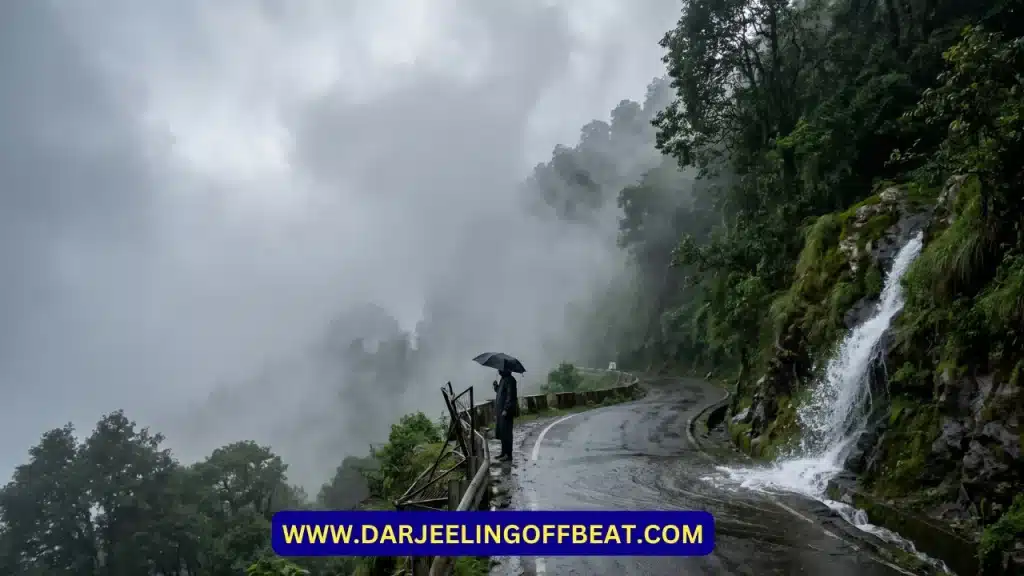
What June does offer, when the clouds part even briefly, is a lushness that no other month can match. Every surface is dripping green. Waterfalls appear out of nowhere, tumbling down the hillsides onto the road. The forests smell incredible — wet earth, moss, ferns, wood smoke from village fires.
It’s dramatic. It’s moody. Some people absolutely love it. Others end up stuck in fog for days and feel cheated.
Go in June with zero expectations and maximum flexibility. Don’t plan it as your one big annual holiday. But if you’re an experienced hill traveller who finds beauty in rain, June has a strange magic to it.
Best for: Monsoon romantics, adventurous travellers, people who’ve already done Darjeeling in good weather
July & August — The Honest Truth
Let’s not sugarcoat this.
July and August are heavy monsoon months in Darjeeling. Landslides on NH10 and the Hill Cart Road are common — sometimes roads close for hours or even days. Visibility can drop to near zero. You might travel all the way from Kolkata or Delhi and spend your entire trip looking at a white wall of cloud.
The landscapes are stunning in an abstract, impressionistic way. But if you’re coming to see mountains, tigers at Tiger Hill, or do any serious trekking, this is genuinely not the time.
If you must travel in July or August — maybe it’s the only time you have off — then stay close to Siliguri, keep your itinerary loose, always check road conditions before moving, and carry supplies in the car. Things can change fast.
Best for: Only the most flexible, adaptable travellers with no fixed plans
September — The Reset
September is deeply underappreciated. The rains ease off through the month — not all at once, but gradually, like a long exhale. By mid-to-late September, you start getting those extraordinary post-monsoon days where the air has been washed completely clean, and the mountains reappear like they’ve been newly placed there.
The hills are as green as they’ll ever be. Waterfalls are still running. The crowds haven’t arrived yet. Prices are still reasonable. And the light — the post-monsoon light in September — has this particular quality that photographers chase specifically.
It’s one of those months that rewards the traveller who’s done their homework and deliberately picked it.
Best for: Photographers, returning visitors, budget-conscious travellers, those seeking solitude
October — Everyone’s Favourite Month, Deservedly
October is when Darjeeling puts on its full show.
The sky is a ridiculous, unreal shade of blue. The mountains are out every morning — Kanchenjunga, Kabru, Jannu — standing there like they’re posing. The temperature is perfect. The festival energy is in the air — Durga Puja, Dussehra — and the hills fill up with Bengali families from Kolkata, laughter spilling out of hotels and restaurants.
It is genuinely wonderful. It is also genuinely busy. October is probably the single most crowded month in Darjeeling, and you’ll feel it everywhere — the toy train gets booked out weeks ahead, hotels triple their rates, and getting a table at a good restaurant requires patience.
None of that should stop you. Just plan well ahead. October in Darjeeling, even with the crowds, is one of those travel experiences that stays with you.
Best for: Everyone. Seriously. Just book early.
November — The Sweet Spot Nobody’s Found Yet
If October is the blockbuster, November is the director’s cut — everything October promised but without the overwhelming crowd.
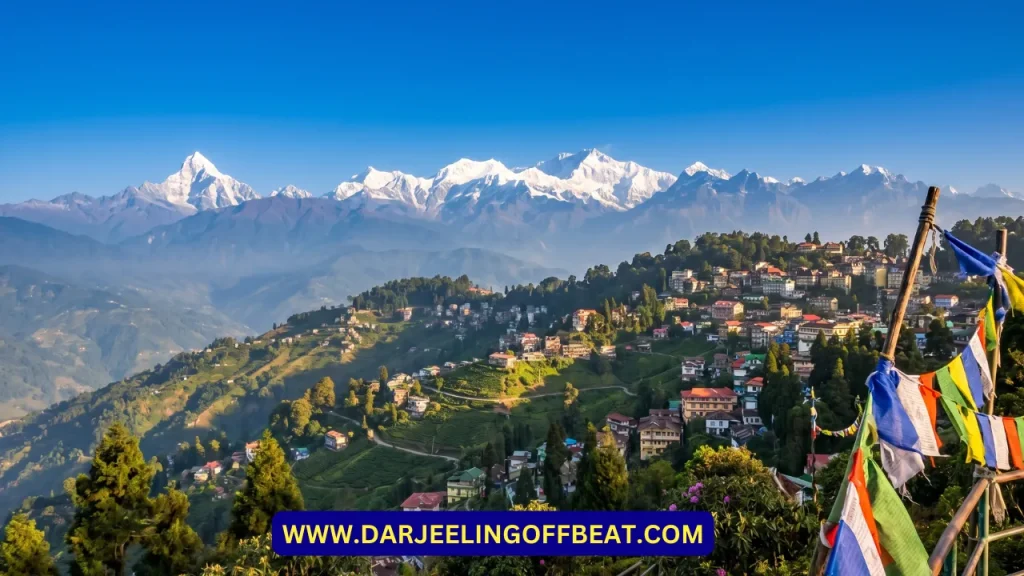
The weather stays excellent well into November, sometimes even better than October, as the tourist rush ebbs. Mountain views remain clear. Temperatures drop pleasantly in the evenings. The rhododendrons won’t bloom again until March, but the light at this time of year has a golden, late-autumn quality that’s entirely its own thing.
Hotels drop their prices after the Puja rush. You can walk into restaurants without a wait. The toy train seats are available. You can actually breathe.
Honestly, if November is an option for you, pick November.
Best for: Smart travellers, those who hate crowds, photographers, couples
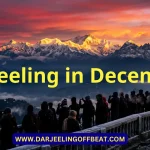
December — Quiet, Cold & Deeply Beautiful
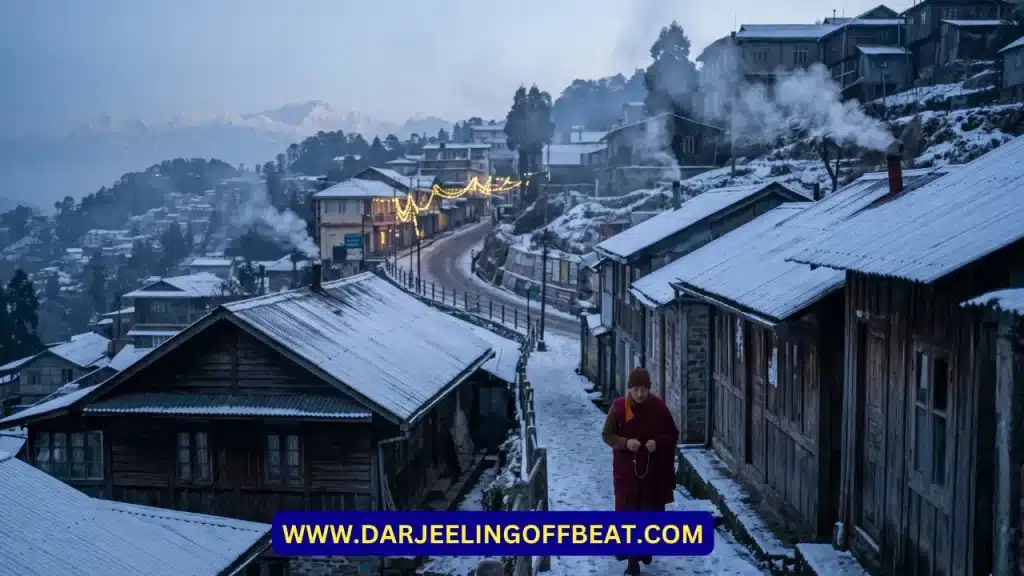
December is for people who know what they want from Darjeeling. It’s cold — genuinely cold — and the town settles into a quiet, unhurried rhythm. Christmas week brings a small festive energy, with lights strung along Mall Road and the colonial-era hotels hosting decorated dining rooms that feel borrowed from another era.
Snowfall is possible in December, especially at Sandakphu and the higher elevations. In years when it snows, the images look entirely unreal — the blue-grey town dusted white, smoke rising from chimneys, the world gone very still.
Pack properly. Thermals, heavy jacket, good socks, warm hat. Non-negotiable.
Best for: Winter lovers, snowfall chasers, those seeking peace, Christmas seekers
The Quick Summary (For Those Who Scrolled Here First)
| Month | Go? | Why |
|---|---|---|
| January | ✅ Yes | Clear skies, quiet, cold but stunning |
| February | ✅ Yes | Romantic, first blooms arriving |
| March | ✅✅ Best | Rhododendrons, perfect weather |
| April | ✅✅ Best | Peak bloom, first flush tea, crowded but worth it |
| May | ✅ Yes (early) | Go first two weeks only |
| June | ⚠️ Maybe | Monsoon risk, go with zero expectations |
| July | ❌ Avoid | Heavy monsoon, landslide risk |
| August | ❌ Avoid | Same as July |
| September | ✅ Yes | Post-monsoon green, quiet, beautiful |
| October | ✅✅ Best | Perfect weather, very crowded |
| November | ✅✅ Hidden gem | All of October’s beauty, half the crowd |
| December | ✅ Yes | Cold, quiet, magical if it snows |
One Last Thought
People spend a lot of time asking which month is perfect for Darjeeling. Honestly, the better question is — what do you want to feel when you get there?
If it’s awe at the mountains, go in January, March, October, or November. If it’s the lushness of a hill station fully alive, go in September. If it’s solitude and authenticity, go in the colder months. If it’s the energy of a hill town buzzing with life, go in April or October and just roll with the crowds.
There really is no bad answer — just different versions of the same beautiful place, waiting for whoever shows up.
Travelled to Darjeeling in a month not listed here? Drop your experience in the comments — real traveller stories always tell the truest story.
FAQ
Q.1: When is the best time to visit Darjeeling?
Ans: The “best” time depends on your priority: March, April, and October offer the best weather and mountain views, while November is the best “hidden gem” month to enjoy great weather without the peak tourist crowds.
Q.2: Which months should I avoid visiting?
Ans: You should generally avoid July and August. These are the peak monsoon months, which bring heavy rain, significant fog, and a high risk of landslides that can disrupt road travel.
Q.3: Is December a good time for a trip to Darjeeling?
Ans: Yes, if you enjoy cold weather and peace. It is very quiet, hotels are cheaper, and there is a magical, colonial-era atmosphere. If you get lucky, you might even witness snowfall. Just be sure to pack heavy winter gear.
Q.4: When is the best time to see Kanchenjunga?
Ans: For the clearest, most spectacular views of the mountains, visit during January, March, October, or November. During these months, the sky is deep blue, and visibility is excellent.
Q.5: When does the rhododendron bloom?
Ans: Rhododendrons start stirring at lower altitudes in late February, but they are in their absolute, colourful prime throughout March and April.
Q.6: Is it crowded in Darjeeling?
Ans: Yes, during peak season. April and October are the busiest months when hotels are full, prices are higher, and tourist spots like Tiger Hill can be very crowded. For less of a crowd, choose November or the winter months.
Q.7: What is the monsoon season like?
Ans: It is dramatic and lush, but unpredictable. June is a “maybe” (you might get clear days or heavy rain), while July and August are very wet. It’s only recommended for highly adventurous, flexible travellers who don’t mind missing the mountain views.
Q.8: What should I pack for a winter visit?
Ans: Do not underestimate the cold. Pack proper thermal layers, a high-quality winter jacket, good socks, and a warm hat. The cold in January and December can dip into single digits at night.
Q.9: Can I book the Toy Train at the last minute?
Ans: It is risky. The Toy Train is a major attraction and often gets booked out weeks in advance, especially during the peak months of April and October. Always book your tickets well ahead of time.
Q.10: Is September a good time to visit?
Ans: Yes, September is an underrated “reset” month. The rains begin to taper off, the landscape is incredibly lush and green, the waterfalls are active, and the crowds haven’t arrived yet. It is excellent for photographers.








North Bengal's offbeat magic is my muse. I find adventure in whispering waterfalls, vibrant village life, and breathtaking Himalayan vistas. Join me as I delve deeper, seeking stories and experiences beyond the mainstream, from Darjeeling's tea havens to the unexplored corners of this incredible region