
Produced in the Darjeeling district of West Bengal, the tea is Darjeeling tea, with a wonderful taste and aroma. This world-famous tea is produced by softening Camellia Sinensis in the cool climate of Darjeeling hills.
History of Darjeeling Tea
It is said that a merchant brought some tea on an empty ship while returning from China and that tea was sent to England and shown to everyone. That’s the beginning. This Chinese tea gradually became popular in Britain.
But in 1820, a Chinese general began cracking down on opium smugglers. At this time traders requested the East India Company to investigate whether tea was grown in the British colonies.
Robert Fortune, a botanist, worked at the Botanical Gardens. He was an efficient worker. In 1842 he went to China and collected tea seeds and saplings from there and presented them to the then Governor General of Calcutta.
Darjeeling is one of the places where tea seeds were spread in the Indian subcontinent. Fortunately, the climate and soil of Darjeeling facilitated the growth of tea. The taste and smell of the tea produced here captivated everyone.
Gradually the whole world got attracted to the smell of Darjeeling tea. However, the contribution of the English is undeniable. Darjeeling tea quickly became recognized as one of the tea brands in the world. The first tea factory was established in the Makaibari area of Darjeeling in 1859.
After that train line started from Kolkata to Siliguri and after that toy train started running from Siliguri to Kurseong. Tea produced in Darjeeling reached Siliguri and then Calcutta by toy train and spread throughout the world.
Then in 1831 Tea Board was formed under the leadership of William Benting. This committee played a significant role in the expansion of tea cultivation in the north-eastern region of India.
Under the initiative of the East India Company, many tea companies established their tea plantations in the heart of Darjeeling, and by 1862 more than 150 tea estates were established in Assam.
Later, various tea companies were also established in the Dooars and Chotanagpur regions of West Bengal. After the British started moving into Darjeeling, they liked the climate here and Darjeeling became their summer capital.
Governor’s Secretariat was established. Schools and colleges were established for the education of the children of the English. Many big buildings are made for living.
At that time, many elite Bengalis flocked to Darjeeling during summer. They also had their own house here. On the one hand, the beauty of Kanchenjunga, on the other hand, the far-reaching tea plantation filled the mind of the tourists
Flushes and Varieties of Darjeeling Tea
There are more than three thousand varieties of tea. Each of them has a different taste, smell, and characteristics. Teas are named based on the region in which the tea is grown.
Such as Darjeeling tea, Assam tea, Yunnan tea, etc. A place’s climate, soil, physical conditions, and tea cultivation methods determine the quality of tea. There are different types of teas around the world and they are categorized as black tea, green tea, white tea, yellow tea, and Oolong tea.
Varieties of Darjeeling Tea
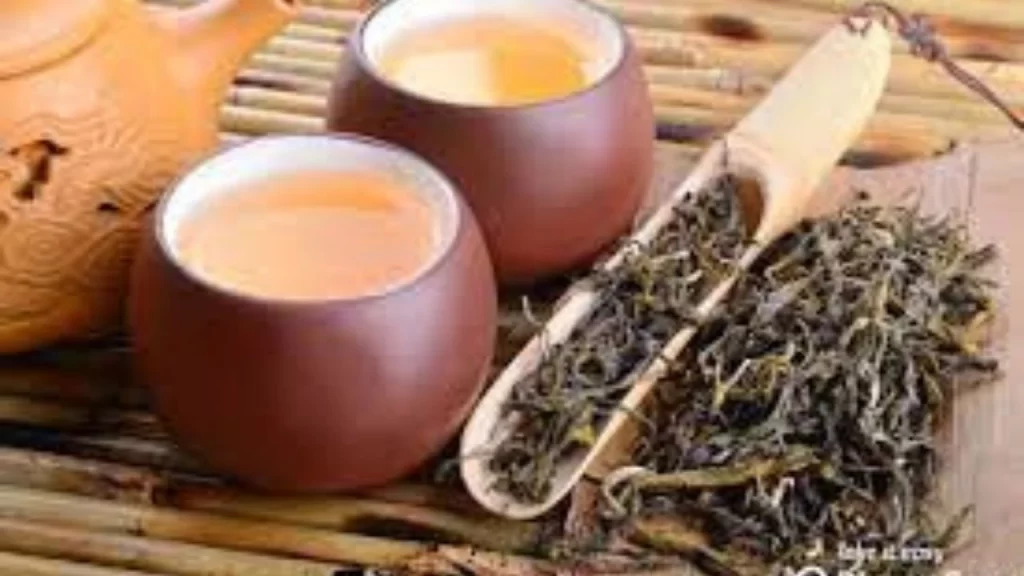
1. Oolong Tea
- This is the first flush and semi-fermented. Its aroma is floral. The tea leaves are finely plucked and never undergone heavy processes like crushing or curling. the process of plucking consists of two leaves and a bud.
- This tea is produced in the last half of winter. This tea is very sensitive. The tea leaves are less exposed to air so they retain their flavour and smell. this first flush of Darjeeling is in high demand though its price is too high for common people.
- This Darjeeling tea is called the Champagne of teas due to its uniqueness in flavour. This tea is to be taken without sugar or milk. This type of tea should be kept in a tight container without direct sunlight
2. White Tea
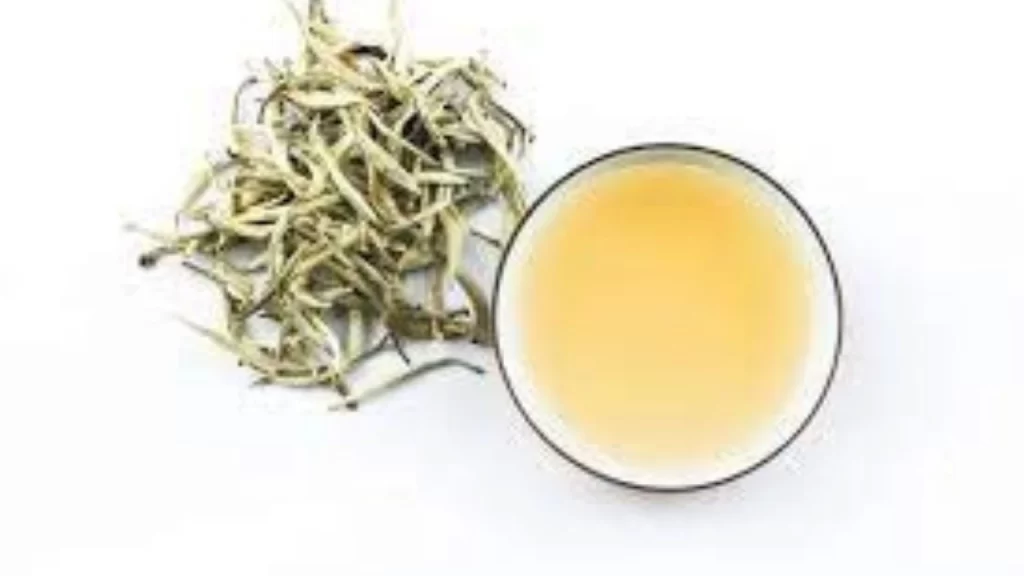
- White tea is the finest tea variety with unparalleled subtlety and sweetness. This type of tea production involves two steps. One is steaming and the second is drying. Here in this process, the colour of the leaves is unchanged.
- This type of tea is the second flush. These tea leaves are also picked up carefully and then dried in the sun. This second flush is produced at the start of monsoons. Due to some insect attacks and by natural oxidation process a new flavour is generated.
- The tea leaves used here are more mature. this type of tea also should be taken without milk and sugar
3. Green Tea
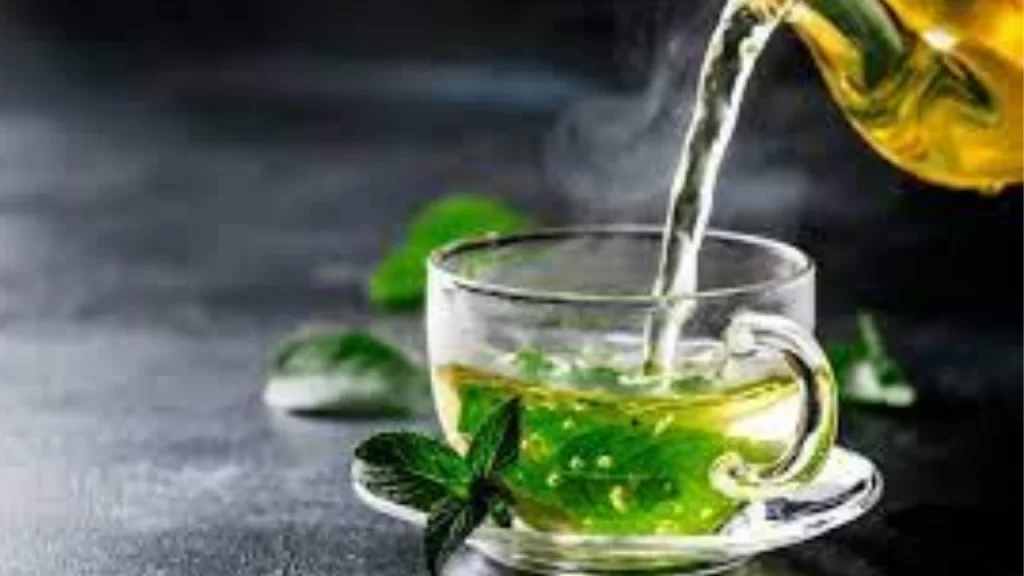
- It is not fully oxidized tea. The color of the tea leaves here is green and the smell is not like the other four. Sometimes pale green or golden in color. It is minimally processed tea.
- It is not fully oxidised tea. The color of the tea leaves here is green and the smell is not like the other four. Sometimes pale green or golden in color.
4. Black Tea
In Western countries, Black Tea is very Popular. More than 80% of black tea is consumed here. In a time of Black Tea production, a special process of changing tea leaves continuously is followed.
Black tea is a heavily processed tea. Fully dried and oxidized tea is black tea. It is a fine drink with a slight amber color.
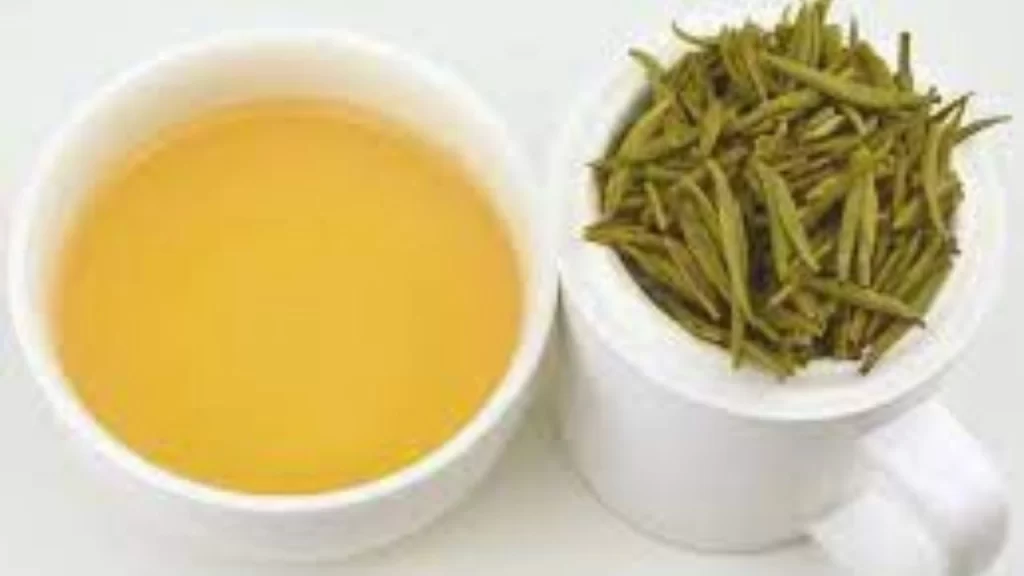
5. Yellow Tea
Yellow tea is a rare species of tea. The tea leaves are processed in such a way that they have a yellow color
What sets Darjeeling Tea apart?
Darjeeling tea is unique in flavour and quality. that makes it different from other teas in the world. This tea can’t be manufactured in any part of the world.
Darjeeling Tea health benefits
- Full of Antioxidants: Darjeeling Tea is full of Antioxidants so it has tremendous health benefit
- Say Goodbye to Bad Bacteria: It eliminates bad bacteria and promotes good bacteria
- Skin and hair Health: It is beneficial for skin and hair
- Boosts Energy: It can restore your energy level and mood. Green tea is a natural energy booster that keeps you alert and focused
- Aids Weight Loss: Green Tea can help reduce body fat quickly if taken in a regular manner
Various Grades of Darjeeling Tea
As written above Darjeeling Tea has different varieties. Also, it has different grades and on which price is dependent. there are mainly four main grades of Darjeeling tea First Flush, Second Flush, Monsoon Flush, and Autumn Flush Teas. The taste depends upon the area of harvesting, soil characters
1. First Flush: This type of tea is harvested in Spring. It has a delicate aroma
2. Second Flush: It is harvested after the first flush in the early summer with amber colour and muscatel flavour
3. Monsoon flush: This type of tea is harvested during monsoon. Here tea leaves are darker and have a strong flavour
4. Autumn flush: Produced in autumn, this type of tea has mellow and smooth taste
Conclusion
This tea is a testament to the region’s unique climate and soil, crafting a drink cherished worldwide for its unmatched taste and quality.
🅵🅰🆀
Q.1: What is Darjeeling tea?
Ans: Darjeeling tea is a renowned tea variety produced in the Darjeeling district of West Bengal. It’s crafted from Camellia Sinensis plants thriving in Darjeeling’s cool climate, offering a distinctive taste and aroma.
Q.2: What’s the history behind Darjeeling tea?
Ans: Introduced when a merchant brought tea from China to England, its popularity grew gradually. In 1842, botanist Robert Fortune fetched tea seeds from China, flourishing in Darjeeling’s climate. By 1859, the first tea factory was established, fueling its global recognition.
Q.3: How are different varieties of Darjeeling tea categorized?
Ans: Darjeeling tea comes in various types like Oolong, White, Green, Black, and Yellow teas, distinguished by their processing methods and flushes. Each type has unique flavors and characteristics.
Q.4: What distinguishes Darjeeling tea from other teas?
Ans: Darjeeling tea’s distinctive taste and quality set it apart from others. Its specific attributes are solely tied to the region and cannot be replicated elsewhere.
Q.5: What health benefits does Darjeeling tea offer?
Ans: Packed with antioxidants, Darjeeling tea provides various health advantages, including eliminating bad bacteria, promoting good bacteria, benefiting skin and hair, and boosting energy levels and mood. Green tea variation also aids in body fat reduction with regular consumption.
Q.6: How is Darjeeling tea graded?
Ans: Darjeeling tea is graded based on different flushes—First Flush, Second Flush, Monsoon Flush, and Autumn Flush—each contributing distinct tastes, with pricing dependent on these grades
Q.7: What are the varieties of Darjeeling tea available?
Ans: Darjeeling tea offers various types:
Oolong Tea: Semi-fermented, known as the “Champagne of teas” for its floral aroma.
White Tea: Finest with subtle sweetness, produced during the second flush.
Green Tea: Minimally processed, with green leaves and a unique aroma.
Black Tea: Heavily processed, providing a rich amber-colored drink.
Yellow Tea: A rare type processed to yield yellow-colored leaves.
- Kashyem Kaman Kalimpong Teesta Rangpo Confluence View 2026: The Cedar Ridge
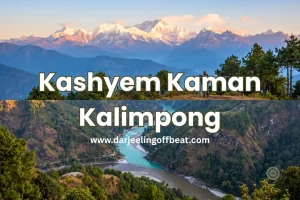 Kashyem Kaman Kalimpong Teesta Rangpo confluence view — Teesta-Rangpo confluence below and Kanchenjunga above — plus Cinchona heritage trails and cedar forest homestays at ₹1,250/day. There …
 - Kalijhora Homestay & Teesta Travel Guide: How a Picnic Spot Turned Into North Bengal’s Quietest Adventure Hub
 Kalijhora homestay guide: where to stay near the Teesta, rafting routes & prices, Panboo ridge views, and everything to plan your North Bengal trip If you’ve …
 - Goiri Gaon, Kalimpong: The Village the Forest Kept Secret — Now With the Full Story
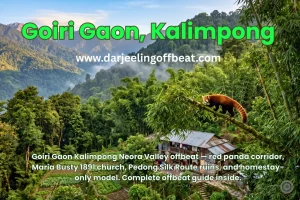 Goiri Gaon Kalimpong Neora Valley offbeat — red panda corridor, Maria Busty 1891 church, Pedong Silk Route ruins, and homestay-only model. Complete offbeat guide inside. There …
 - Gitkolbong Village Kalimpong: The Village That Climbs From River to Ridge
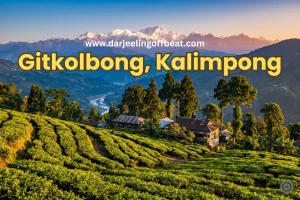 Gitkolbong village Kalimpong near Lava, with tea plantations, the Gitkhola river, and a ridge trail to Gitkolbong Top with Kanchenjunga views. Complete offbeat travel guide inside. …
 - Daragaon Kalimpong Kanchenjunga View Where the Clouds Stay Below You
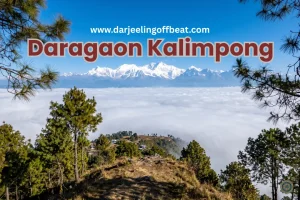 Daragaon Kalimpong Kanchenjunga view— offers a rare sea-of-clouds sunrise view with the world’s third-highest peak floating above the Teesta valley. Complete travel guide inside. There’s a …
 - Dalapchand Silk Route Kalimpong: Where West Bengal Meets Sikkim
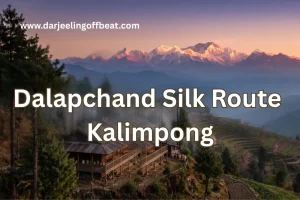 Some destinations, like Dalapchand Silk Route Kalimpong, exist because someone put them on a map, and others exist because the landscape demanded them. Dalapchand is the …
 - Chuikhim birding Kalimpong: That Sits Between Two Worlds
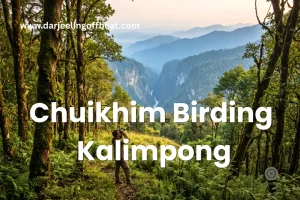 There’s a particular kind of traveller who plans a trip around a bird. Who wakes before the alarm, walks quietly into the forest before dawn, and …
 - Chisang Village Kalimpong: Where India Ends and Bhutan Begins
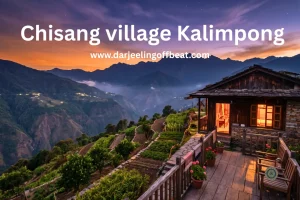 There’s something quietly extraordinary about standing at the edge of a country and not at an airport or a formal border crossing, but on a hillside …
 - Bidyang Village, Kalimpong: A Riverside Escape You Didn’t Know You Needed
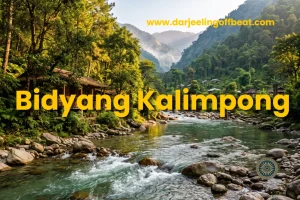 Some places earn their reputation through grandeur — towering peaks, famous monasteries, names that appear on every travel list. And then there are places like Bidyang …



North Bengal's offbeat magic is my muse. I find adventure in whispering waterfalls, vibrant village life, and breathtaking Himalayan vistas. Join me as I delve deeper, seeking stories and experiences beyond the mainstream, from Darjeeling's tea havens to the unexplored corners of this incredible region